
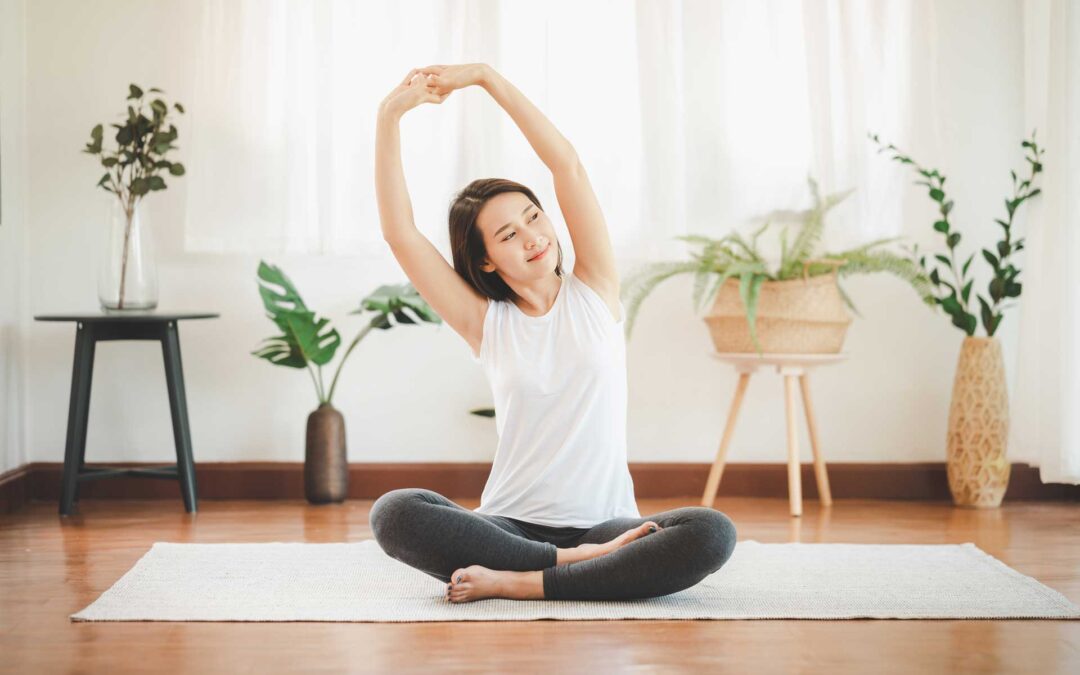
For Northern Virginia homeowners, wellness in home design is now an essential part of how you recharge, focus and create balance in everyday life. Thoughtfully-designed environments can shape mood, energy and routine in subtle but powerful ways. Whether you desire a quiet room for morning yoga or a fully-customized fitness retreat, the right space has the ability to support healthier habits while also enhancing the overall experience of your home.
Designing a Custom Home Gym for Mind, Body and Space
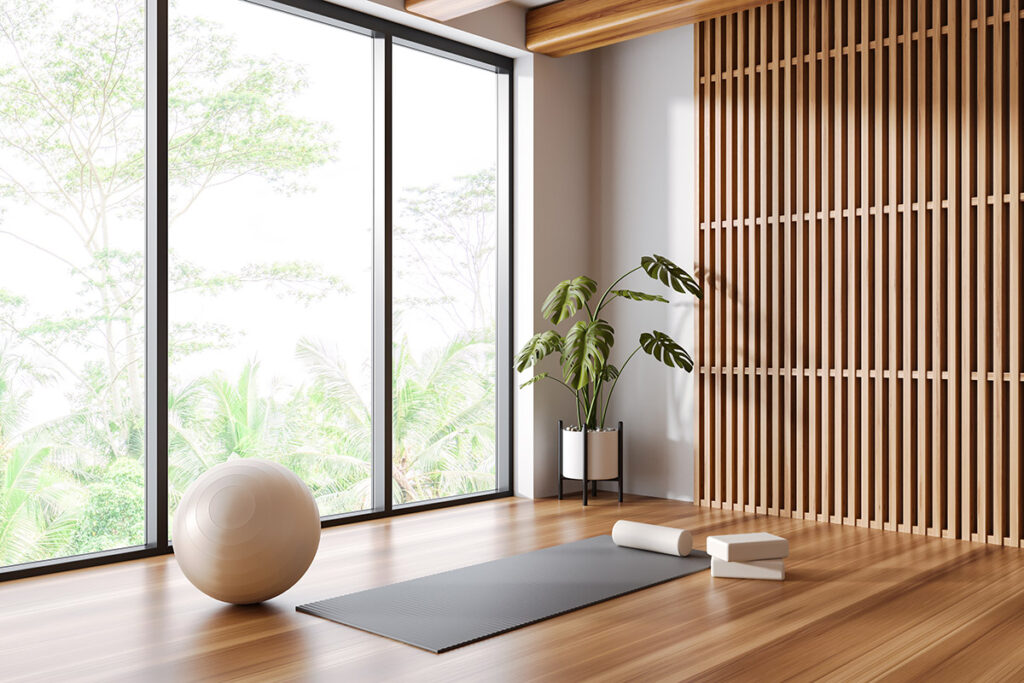
Moving beyond the idea of a spare room with exercise equipment tucked into the corner, modern wellness spaces are intentionally-designed environments that support both physical movement and mental restoration. A successful home fitness space remodeling project considers how the room feels just as much as how it functions.
This shift has elevated the role of wellness architecture in remodeling. Design choices such as lighting, acoustics, material selection and spatial flow all contribute to how the space supports focus, calm and motivation. Instead of harsh lighting and utilitarian finishes, homeowners are seeking environments that feel restorative and deeply personal.
The best designs blend performance and serenity. A custom yoga studio may feature minimalist aesthetics, calming textures and natural light, while a luxury home gym design may integrate advanced equipment with sophisticated cabinetry and spa-inspired finishes. The goal is to create a space that encourages consistent use while feeling like a seamless extension of your home.
Spatial Planning That Supports Movement and Stillness
The wellness space’s layout has a significant impact on how it feels and functions. Open floor plans are especially valuable for flow-based movement practices such as yoga, Pilates and barre because they create a sense of freedom and uninterrupted flow. Wide circulation paths that feel intuitive and uncluttered arrangements help the room feel calming rather than confined.
Flexible zoning is equally important. A well-designed home yoga studio design may include a dedicated meditation corner, while a home gym could separate cardio, strength training and recovery areas without disrupting the room’s visual harmony. Flexible layouts allow you to adapt the space depending on your routine or evolving wellness goals.
Storage placement, entry points and sightlines also influence your emotional experience of the room. A wellness space should feel intuitive the moment someone enters it.
“When we design a wellness space, I think less about square footage and more about how someone moves through it emotionally,” explains Andrew Schroeder, Owner & CEO of Schroeder Design Build. “The best yoga studios we’ve created feel like they guide you into calm the moment you step inside.”
Natural Light and Connection to the Outdoors
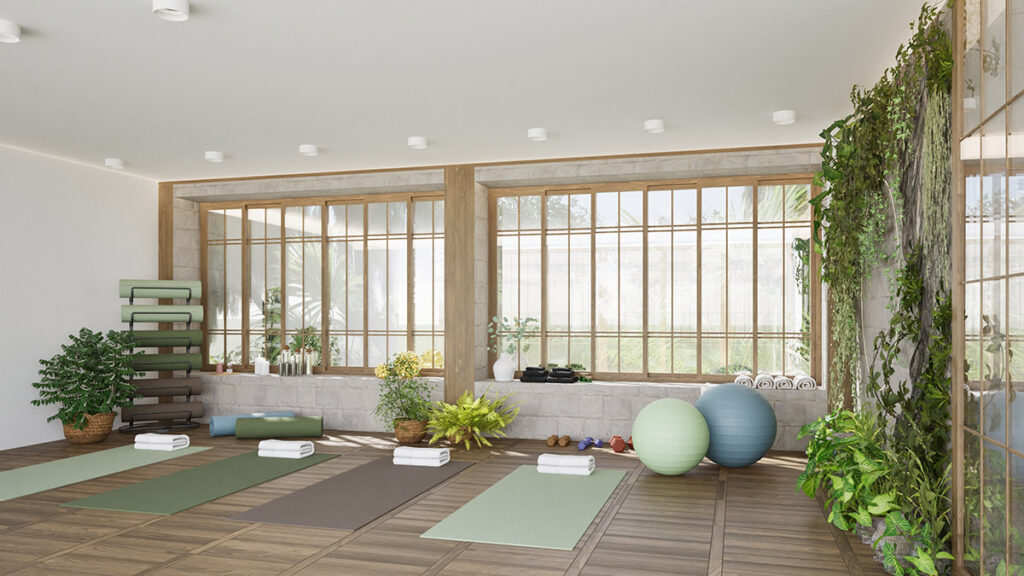
Natural light is one of the defining features of an elevated wellness environment. Expansive windows, skylights and clerestory glazing can dramatically transform how the room feels throughout the day. Soft daylight creates warmth and openness while helping support focus, mood and relaxation.
Strategic window placement is essential to control glare while still maximizing daylight. In a custom yoga or meditation room, diffused morning light can create a peaceful atmosphere for quiet practices. In a gym setting, brighter natural light can energize the space without relying entirely on artificial illumination.
Homeowners are also prioritizing stronger connections to the outdoors. Views of gardens, private courtyards, water features or mature trees can help reinforce feelings of calm and retreat. Sliding glass walls or large picture windows can blur the line between indoor and outdoor living, making your wellness room feel more expansive and immersive.
“Natural light is one of the most powerful design tools in wellness spaces. I always contemplate: ‘How does the morning light enter the room, and how does it make the client feel at their first stretch?’” says Nina Carhuaricra, Lead Designer.
Acoustics and Soundproofing for Focus and Calm
Your wellness environment should feel separated from the distractions of the rest of the home. Sound control, through acoustic wall panels, insulated framing systems, and hidden sound-absorbing materials can dramatically reduce noise transfer from nearby rooms or exterior activity. This is especially important in busy family homes where homeowners may want to practice yoga, meditate or exercise without interruption.
For high-performance fitness rooms, soundproofing can also prevent equipment noise from affecting the rest of the house. Rubber underlayments beneath flooring systems, acoustic ceiling treatments and insulated doors help create a quieter, more controlled environment.
Integrated audio systems can further enhance your experience. Built-in speakers with carefully-balanced acoustics allow you to introduce calming soundscapes, guided meditation audio or energizing workout playlists without cluttering the room with visible electronics.
“A great workout space isn’t just what you see. It’s what you don’t hear. We often engineer silence into these rooms so clients can fully disconnect from the rest of the home,” Andrew says.
Material Selection Grounds the Yoga Studio or Home Gym Experience
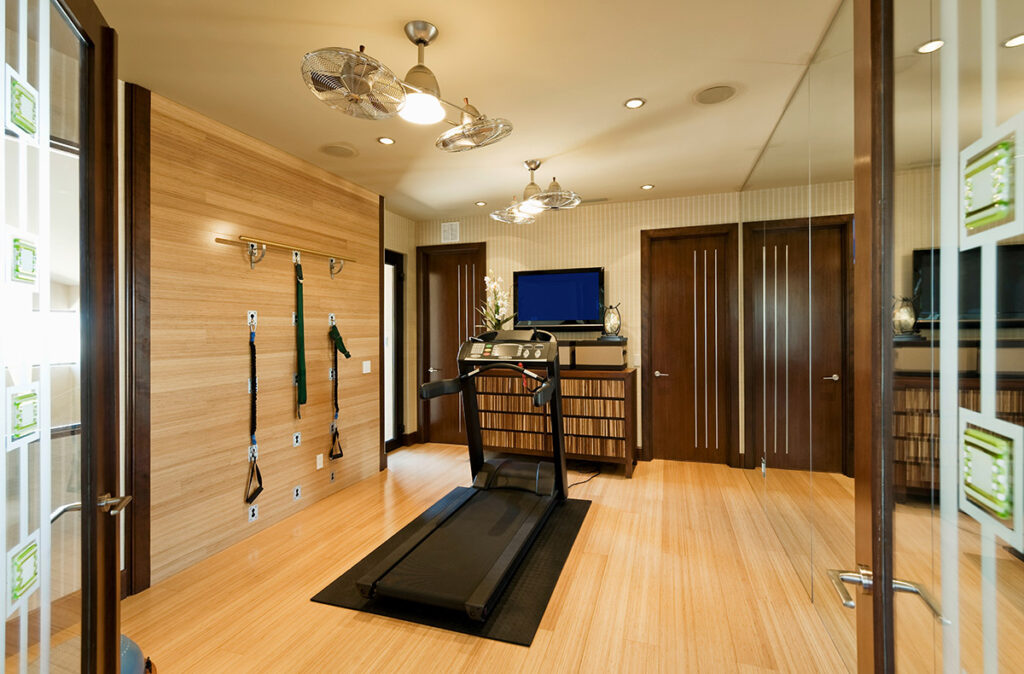
The materials used in a wellness space shape both the visual atmosphere and the sensory experience. Natural materials like wood, natural stone, plaster, cork and bamboo are often preferred because they create warmth, texture and a connection to nature that feels calming and authentic. These materials age gracefully while adding depth and character that cannot be replicated with synthetic finishes.
Health-conscious homeowners are also increasingly prioritizing non-toxic materials and improved indoor air quality. Low-VOC paints, sustainable flooring systems and natural textiles support a healthier indoor environment while aligning with the broader principles of wellness architecture.
Texture matters as much as appearance. Soft woven fabrics, smooth stone surfaces and warm wood grains create tactile comfort that helps the room feel restorative rather than clinical.
“Materiality matters more in wellness spaces than almost anywhere else in the home. When recommending finishes, I gravitate toward those that feel honest—things you want to touch, not just look at,” Nina says.
Hidden Home Gym Storage for Mirrors, Weights, and Equipment
Clutter can quickly undermine the calm atmosphere of a wellness room. One of the hallmarks of effective home gym design is the ability to conceal functionality without sacrificing convenience. The goal is to create a restorative environment where everything has a purpose and a place.
Multi-use custom cabinetry can discreetly store yoga mats, resistance bands, free weights, foam rollers and recovery equipment while maintaining a clean visual aesthetic. Built-in wall systems can integrate mirrors, shelving and hidden compartments that keep the room organized without feeling overly utilitarian.
For homeowners who prefer multi-purpose spaces, concealed storage becomes even more valuable. A yoga studio that doubles as a guest retreat or office should transition effortlessly between uses without exposing fitness equipment or visual distractions.
“If you can see the clutter, you’ll feel the clutter,” Andrew emphasizes. “The most successful fitness spaces we build are the ones where everything has a place—and most of it is out of sight.”
Layered Lighting for Every Home Gym Activity
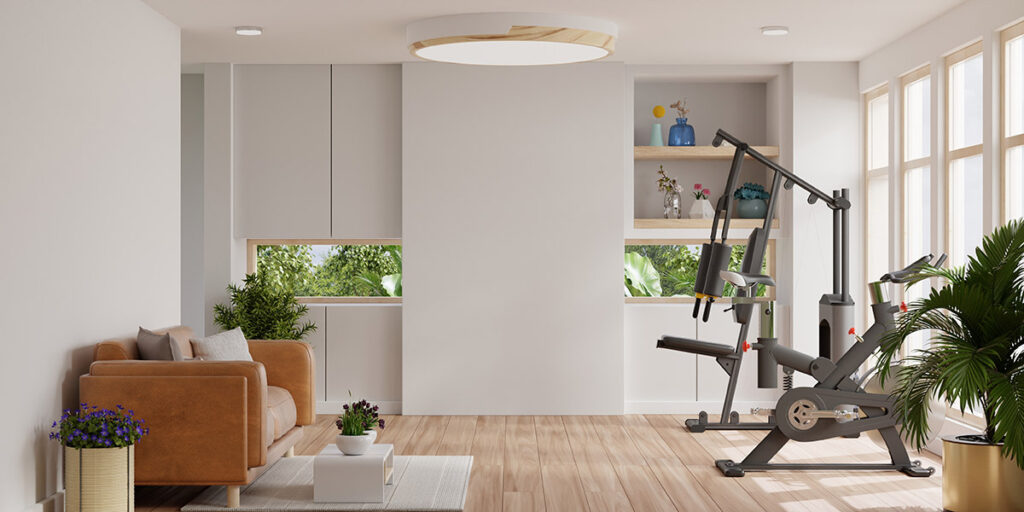
Lighting design has a profound influence on the mood and functionality of your wellness room, so try to incorporate layered lighting strategies that allow you to customize the atmosphere depending on the activity, time of day or desired energy level. Ambient lighting establishes the room’s overall tone, task lighting supports more focused activities such as strength training or stretching, and accent and mood lighting can soften the environment for meditation, recovery or evening yoga sessions.
Dimmers and programmable lighting scenes provide additional flexibility for different wellness scenarios and energy shifts. Cooler lighting tones may help energize the room during morning workouts, while warmer lighting can create a more restorative atmosphere later in the evening.
Architectural lighting details such as recessed fixtures, concealed LED strips and cove lighting help support a minimalist aesthetic without introducing harsh glare or visual clutter. The result is a space that feels calm, polished and adaptable to multiple wellness routines.
More Custom Home Gym Ideas
Here are more custom home gym ideas to help you create a workout space that feels motivating, functional, and beautifully connected to your home:
- Add a large wall mirror to make your gym space feel more open while helping you monitor movement and form during workouts, strength training, yoga, and cardio sessions.
- Create a thoughtful balance between open and concealed storage so everyday equipment like weights, mats, towels, and water bottles stay within easy reach, while extra gear remains neatly organized out of sight.
- Design dedicated zones for larger equipment, such as a treadmill or other fitness machines, so your home gym maintains clear circulation and plenty of open floor space for movement, stretching, and yoga.
- Personalize the room with meaningful décor, whether that is a framed mantra, inspiring photo, or artwork that brings energy and purpose to your workout space.
- Choose a soft neutral palette, such as white, black, or other calming tones, to create a home gym or yoga studio that feels bright, grounded, and inviting.
- Add wallpaper or a design accent near the treadmill or cardio area to introduce personality and bring a little more energy to your workouts.
- If your family enjoys active play, consider features like an indoor climbing wall or basketball hoop to make the gym space more versatile and engaging.
- Build a custom area around your favorite fitness interests, such as strength training, yoga, or even a golf simulator, so the room supports how you truly like to move.
- If space allows, place a home sauna nearby to support recovery and extend the comfort of your home gym beyond the workout itself.
- Include a refreshment station with storage for water, electrolytes, and post-workout essentials to make the room feel complete and convenient.
- Improve comfort and airflow with a ceiling fan, especially in a home gym design where natural light, windows, and fresh circulation help the room feel more open and energized.
More Custom Yoga Studio Ideas
Below are more ideas on how to shape a yoga studio that feels calming, open, and purposefully designed around movement:
- Use mirrors selectively to support alignment during movement and to help the room feel larger and more open.
- Create a dedicated area for mats, blocks, straps, and other equipment so your workout space stays organized and easy to use.
- Choose a soft palette of white, black, or other neutral tones to give the room a grounded, restorative feel.
- Keep the center of the room open to allow plenty of space for stretching, breathwork, and floor-based workouts.
- Bring in natural materials and garden views where possible to make the home yoga studio feel more serene and restorative.
- Design the room to support multiple uses, so it can transition easily from yoga and meditation to light fitness or recovery workouts.
- Use dimmable light fixtures for more flexibility, whether you want an energizing morning practice or a calmer evening routine.
- Add a feature wall, a meaningful photo, or a simple décor element to personalize the space without overwhelming it.
- Include thoughtful organization for towels, water, and accessories so the room feels complete and ready for daily use.
Creative Home Gym Conversion Ideas
A well-designed home gym can take shape in more places than many homeowners expect. With thoughtful planning, the right equipment, and a design-build approach that considers movement, storage, light, and comfort, a variety of areas in your home can become a dedicated workout space.
- Outdoor Home Gym: A covered backyard gym offers a refreshing place to work out while enjoying fresh air, garden views, and natural light. With the right design, this gym space can support everything from cardio and strength training to yoga and recovery workouts.
- Basement Home Gym: One of the most popular home gym options, a basement can offer generous space for weights, a treadmill, mats, mirrors, and other fitness equipment. Good ventilation, lighting, and organization are especially important here to help the room feel comfortable, open, and energized.
- Attic Home Gym: With careful planning and smart storage, an attic can become a highly functional home gym design. When designed well, this extra room can provide a private workout space for home workouts, strength training, or a quieter yoga studio area without taking away from your main living spaces.
Designing for Longevity and Lifestyle Integration
Wellness spaces should evolve alongside your lifestyle. A thoughtfully-planned room is not limited to a single purpose or phase of life. Instead, it adapts to your changing fitness goals, routines and personal needs over time.
Homeowners are now requesting dual-purpose wellness rooms that can transition between uses throughout the day. A serene yoga studio may also function as a quiet reading retreat or guest suite. A meditation room may incorporate a hidden workstation for focused remote work. Flexibility adds long-term value while ensuring the space remains relevant for years to come.
Future-proofing is another important aspect to consider when remodeling. Durable materials, adaptable layouts, integrated technology and timeless finishes help the room maintain both function and aesthetic appeal as trends and routines evolve.
“We design these spaces to grow with our clients. A yoga studio today might become a recovery space or quiet retreat tomorrow—and it should still feel intentional,” Nina says.
Creating a Space That Supports More Than Fitness
The most successful wellness spaces are about far more than exercise equipment or square footage. They are carefully-designed environments that balance architecture, emotion, comfort and function in a way that enhances your daily life.
Your personalized home yoga studio design or sophisticated fitness retreat can transform ordinary routines into meaningful rituals, elevating not just movement, but overall well-being. Investing in thoughtful details such as natural light, acoustics, material selection and intuitive storage all contribute to a space that feels restorative and deeply connected to your lifestyle.
For Northern Virginia homeowners, Schroeder Design Build brings 40 years of experience in our highly-personalized approach to home remodeling. Our team understands that your wellness space should feel both functional and emotionally resonant, while blending elevated craftsmanship with collaborative design. From custom layouts and architectural detailing to premium finishes and integrated technology, every element is tailored to your vision and daily routine.
Whether you are planning a dedicated yoga studio, a sophisticated home gym or a flexible wellness retreat, Schroeder Design Build delivers the expertise, communication and design-build process today’s homeowners expect. If you’re ready to create a space that supports both movement and restoration, contact us to begin designing a wellness environment that feels uniquely your own.
Receive more inspiration and remodeling tips through our newsletter.