
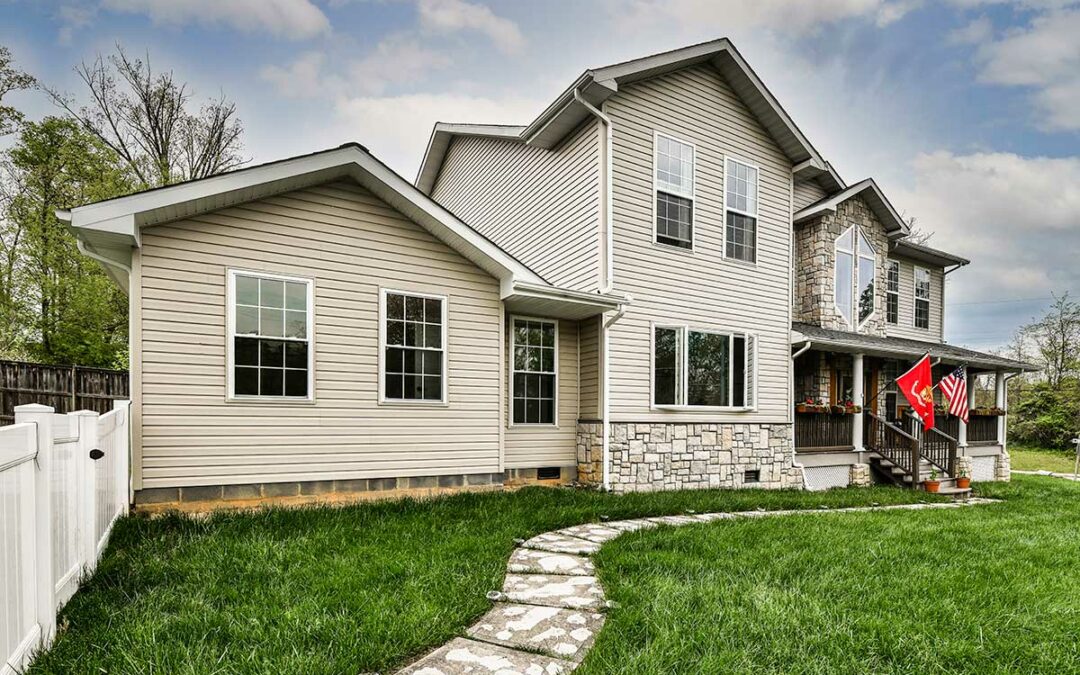
Homes evolve over time, but they don’t always keep pace with the people living in them. What once felt spacious and efficient can gradually become limiting, prompting homeowners to rethink how their space supports everyday life. Expanding the footprint of your home offers an opportunity not just for more room, but for a more intentional, functional living experience. In this post, we’ll review the ultimate first-floor home addition planning checklist.
Start With Your Goals—Then Let the Experts Translate Them Into a Plan
For most homeowners, the idea of a first-floor home addition begins with the sense that something isn’t quite working. Maybe it’s a cramped kitchen, a lack of gathering space, or the need for more flexibility. Without clarity at this stage, homeowners often find themselves revisiting choices later, sometimes at added cost or delay. Before diving into design concepts, it’s important to first define what’s driving the project. Establishing clear priorities early in the process helps guide every decision that follows.
A design-build team helps turn your ideas into a realistic plan, creating the foundation for every decision that follows.
What Your Design-Build Team Will Help You Clarify
- Identifying the addition’s purpose (kitchen expansion, family room, guest suite, aging-in-place suite, etc.)
- Understanding the pain points in your current layout
- Prioritizing must-haves vs. nice-to-haves
- Evaluating long-term lifestyle needs
- Considering future resale value
“The most successful first-floor additions start with clarity. Before we ever put pencil to paper, I ask homeowners what’s truly not working in their home today—and what will matter five or ten years from now,” says Andrew Schroeder, Owner & CEO of Schroeder Design Build in Fairfax, VA.
Structural Feasibility is Where Professional Planning Becomes Essential
While expanding your home may appear simple on the surface, the structural considerations behind the first-floor addition can be quite involved. Every home presents a unique set of structural conditions. Understanding how the existing structure will support new construction is essential to avoiding complications later in the process. This is where experienced professionals play a critical role in determining what can be done safely and effectively.
What Your Design-Build Team Evaluates
- Foundation capacity and requirements
- Load-bearing wall impacts
- Roofline connections and framing integration
- Drainage conditions and soil stability
- Structural tie-ins between old and new construction
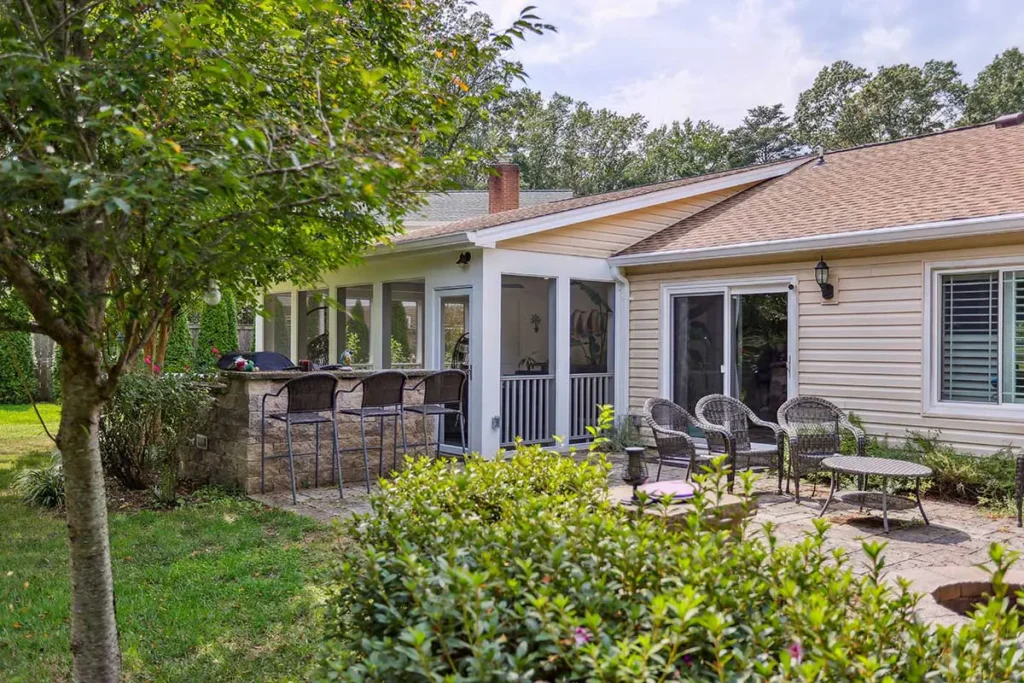
“A first-floor addition isn’t just about extra square footage—it’s about structural integrity,” Andrew says. “We always evaluate the existing foundation and framing before discussing finishes.”
Navigating Zoning, Permits and Local Regulations
You may be surprised to learn just how much local regulations can influence the scope and design of a home addition. Zoning rules, property setbacks and neighborhood guidelines often define what is—and isn’t—allowed. That’s why it’s helpful to have a professional design-build firm manage these requirements.
Zoning and permitting aren’t just administrative steps; they are critical checkpoints that determine whether a project moves forward smoothly or encounters roadblocks. Incorporating them into the planning phase allows the project to move forward with fewer interruptions and greater confidence.
What Your Team Handles
- Verifying zoning compliance
- Reviewing setback requirements and lot coverage
- Navigating HOA design guidelines (if applicable)
- Preparing permit submissions
- Coordinating inspections throughout construction
“Design inspiration is exciting—but zoning and permitting shape what’s actually possible. We help homeowners navigate these constraints early to avoid costly redesigns,” says Nina Carhuaricra, Lead Designer.
Building a Realistic Budget for the Entire Project
A first-floor home addition includes far more than finishes like cabinetry, flooring or fixtures. Much of your investment goes into structural work and essential systems that aren’t immediately visible. A well-developed budget provides a clearer picture of the project’s full scope, helping you to make informed decisions while avoiding unexpected costs.
A design-build team can help you develop a complete budget that reflects both visible elements and the critical infrastructure behind them.
What Professionals Include in Budget Planning
- Overall project investment range
- Recommended contingency allowances (10–20%)
- Utility extensions (HVAC, plumbing, electrical)
- Potential structural reinforcements
- Temporary living adjustments during construction
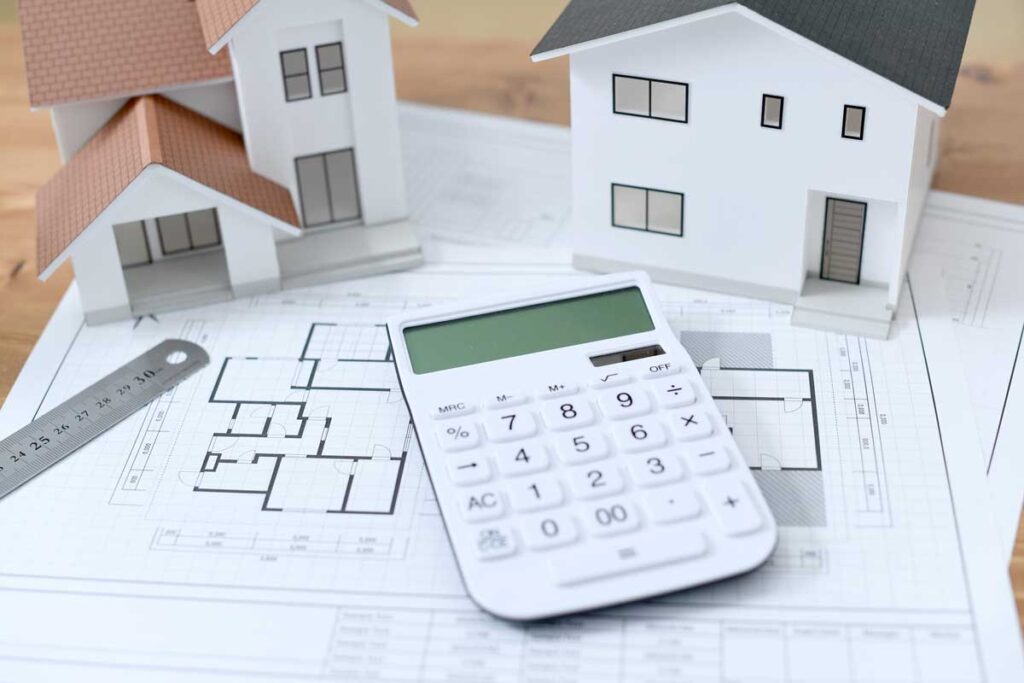
“We advise clients to budget for both visible upgrades and behind-the-scenes systems. Extending HVAC or upgrading electrical panels can significantly impact cost, but they’re critical to performance,” Andrew says.
Designing an Addition That Feels Like It Was Always There
One of the most important aspects of a successful home addition is how naturally it integrates with the rest of the house. The goal is to create a space that feels cohesive, not like an afterthought. Experienced design professionals carefully study both the interior and exterior to ensure continuity in style, scale and flow.
What Designers Carefully Consider
- Ceiling height transitions
- Exterior material continuity
- Natural light integration
- Sightlines between rooms
- Flooring and finish continuity
When these elements are thoughtfully aligned, the addition enhances the overall home experience rather than disrupting it.
“A well-designed first-floor addition should feel like it was always part of the home. We carefully study sightlines, materials and scale to avoid that ‘add-on’ look,” Nina says.
Preparing for Construction—What Homeowners Can Expect
After planning and design are finalized, attention turns to preparing for the construction phase. Knowing what to expect during construction allows you to plan ahead and stay informed throughout the process. A well-organized approach at this stage helps minimize disruptions and keeps the project moving on schedule.
What Your Contractor Plans Before Construction Begins
- Establishing construction access points
- Protecting existing areas of the home
- Defining project timeline milestones
- Managing dust and noise control
- Setting clear communication and update schedules
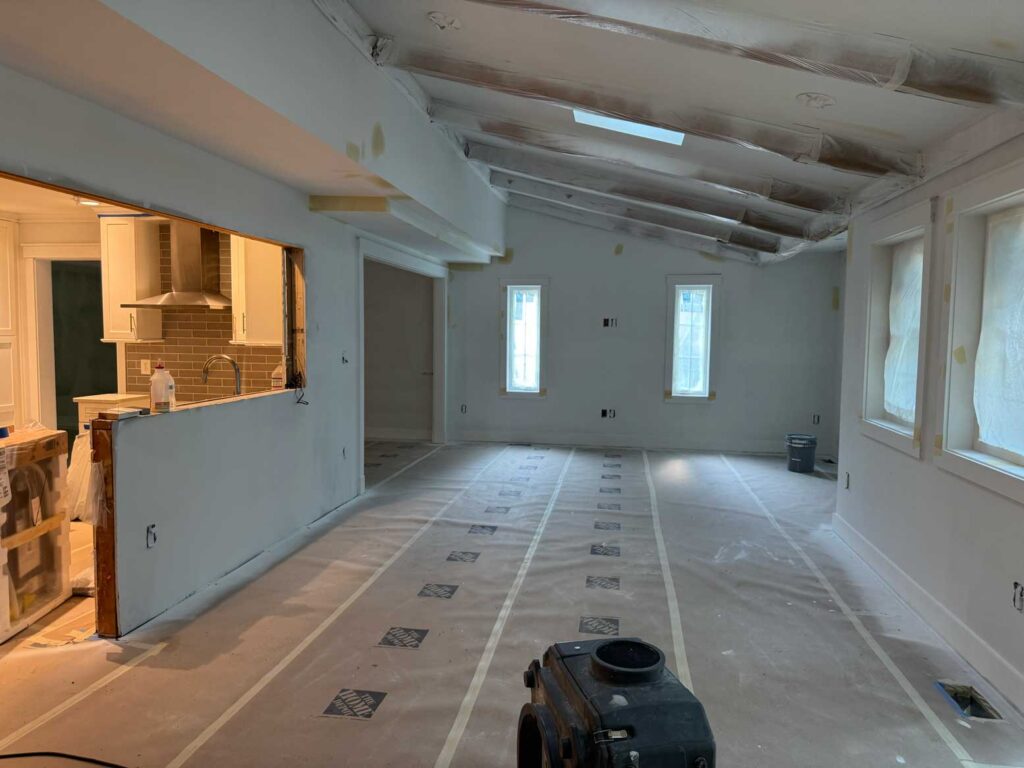
“Preparation reduces stress,” Andrew adds. “We create detailed pre-construction plans, so homeowners know exactly what to expect—from staging areas to weekly progress updates.”
Why the Design-Build Approach Simplifies Complex Additions
A first-floor home addition involves multiple moving parts including design, engineering, permitting and construction. When these elements are handled separately, miscommunication can lead to delays or unexpected costs. A design-build approach brings all aspects of the project under one unified team from the very beginning. This collaborative model helps ensure that decisions are aligned across every phase of the project to create a smoother and more predictable experience.
Advantages of the Design-Build Process
- Single point of accountability
- Integrated architecture, design, and construction
- Real-time budget feedback during design
- Streamlined communication
- Fewer surprises during construction
“With a first-floor addition, collaboration is everything,” Andrew emphasizes. “A design-build approach keeps the architect, designer, and builder aligned from day one—minimizing surprises and protecting your investment.”
Turn a Complex Addition Into a Smooth Process with Schroeder Design Build
A first-floor home addition isn’t just about gaining extra space—it’s a significant investment that touches nearly every aspect of your home. From structural planning for additions, to permitting and design cohesion, each step requires careful coordination. Partnering with an experienced design-build team like Schroeder Design Build helps simplify that complexity.
Schroeder Design Build takes a comprehensive and sincere approach to remodeling, helping Northern Virginia homeowners navigate each phase of a design-build home addition with clarity and easy for more than 40 years. Our team prioritizes open communication and thoughtful planning to ensure that every project reflects both your vision and the practical realities of construction. The result is a process that feels organized and collaborative.
With a reputation built on sincerity, craftsmanship and real communication, we deliver more than just beautiful spaces—we deliver confidence. Our integrated design-build model ensures that every detail, from structural planning for additions to final finishes, is managed with precision and care, giving you peace of mind throughout the entire journey.
Contact Us
If you’re preparing for a home addition and want expert guidance throughout the process, contact Schroeder Design Build. Let us bring your vision to life.
For more remodeling tips, sign up for our newsletter. And visit our portfolio of exciting home additions.