
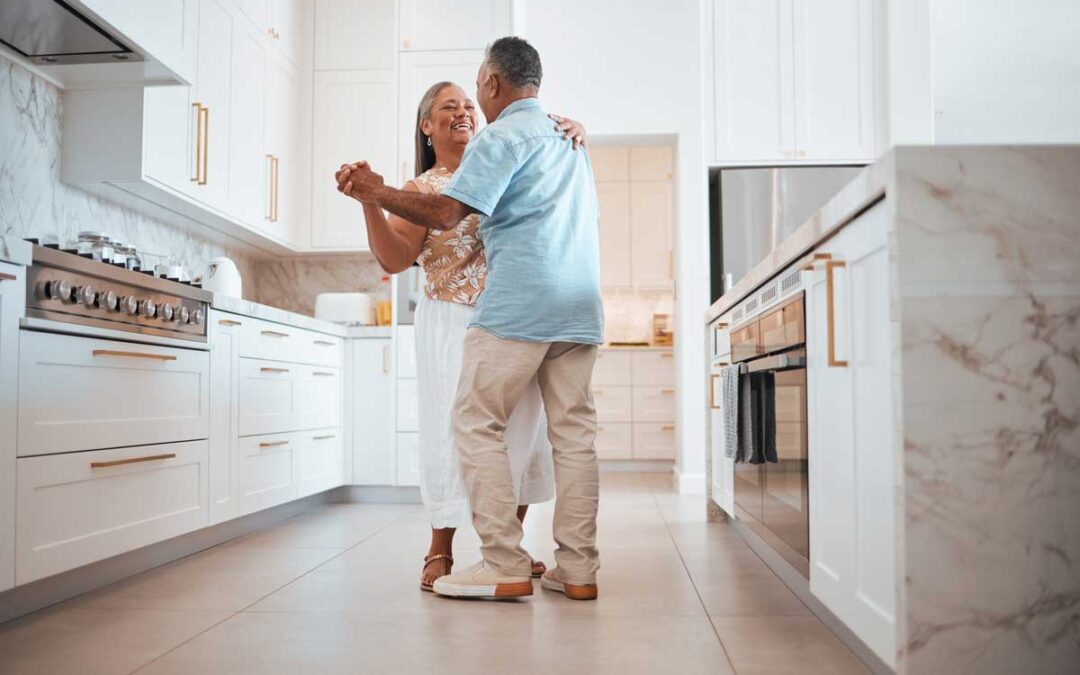
Living in Place has become one of the most meaningful shifts in how homeowners think about aging, accessibility and long-term comfort. Instead of moving into an assisted living facility, more people are choosing to adapt their homes so they can stay where they feel most comfortable. With the right planning, design and supportive resources, Living in Place empowers individuals and families to build a future rooted in independence, control and joy.
Who Benefits from Living in Place?
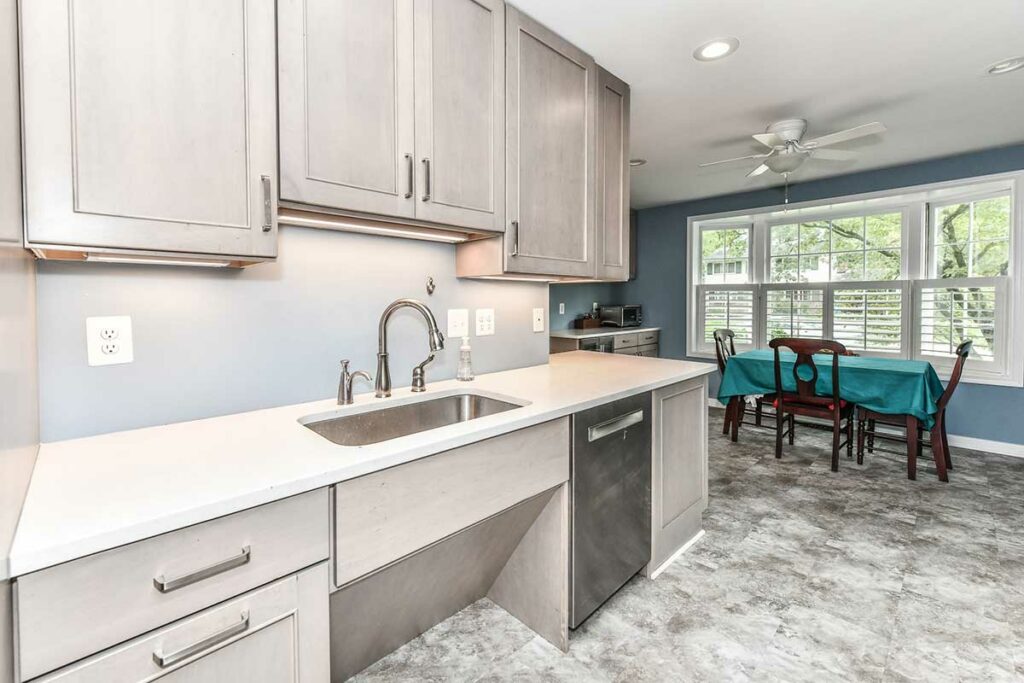
Living in Place makes it possible for people of all ages to maintain their independence, stay connected to their community and live with dignity, regardless of their age, physical ability or changing needs. It is ideal for younger adults with disabilities, retirees and seniors aging at home, and a lifestyle approach supporting individuals across a wide spectrum.
“It’s not just about age: it’s about allowing people to meet unique physical, cognitive or emotional needs in a familiar environment,” explains Andrew Schroeder, Owner & CEO at Fairfax, VA-based Schroeder Design Build. “We’ve seen first-hand how the right modifications empower people to keep living life on their own terms.”
Marley’s Story: Independence through Adaptation
At just 34, Marley is a wheelchair user living with chronic pain. Despite her challenges, she chooses to remain at home with her sister rather than move into assisted care. With thoughtful modifications like wider doorways, accessible storage and lever-style handles, she manages her daily activities with less strain and far more independence.
Eddie and Jamie’s Story: Retirees Preserving their Lifestyle
Eddie and Jamie are active retirees in their 60s who want to maintain their workshop, garden and hobbies. Instead of downsizing or moving, they opted for a Living in Place plan that helps them stay rooted in their routines while preparing their home for future needs. Living in Place supports their lifestyle continuity.
Vicky and her Mother’s Story: Family Peace of Mind
Vicky worried about her mother living alone in a home filled with hazards like high cabinets, slippery bathroom floors and poor lighting. Through proactive Living in Place planning, they modified the home to support safety, prevent falls and extend independence. It also eased Vicky’s emotional burden, especially since she was a long-distance caregiver.
“One of the most rewarding outcomes of Living in Place design is the peace of mind it gives families,” Andrew adds. “Everyone feels more confident knowing the home truly supports their loved one.”
Living in Place offers an alternative to relocation or institutional care, allowing individuals to remain in the home they love surrounded by memories, neighbors and community.
How Living in Place Supports Physical Health

Living in Place provides more than comfort—it directly influences physical health by encouraging movement, preventing injury and creating a safe, controlled living environment.
Customized Home Modifications
Strategic modifications help reduce risks and promote self-sufficiency. Most studies found positive evidence that accessibility changes can:
- Reduce fall or injury
- Improve self-care and daily independence by reducing fall fears
- Increase physical activity
- Slow frailty progression
- Reduce long-term care needs
Marley found she manages household responsibilities more independently, without overexertion or relying too much on her sister.
A Clean and Controlled Environment
Living at home allows for better control over hygiene and infection exposure:
- Accessible design makes cleaning easier and less strenuous
- Home isolation reduces exposure to the 2 million infections that occur annually in institutional care settings
- Ventilation and air quality are easier to control
For Eddie and Jamie, staying in their own home means reduced potential exposure to hospital-acquired infections, and offers a controlled, comfortable setting.
More Physically Active
Staying at home doesn’t mean staying sedentary. Living in Place encourages ongoing movement through hobbies, daily routines and yard work. It also encourages mobility, whether walking gardening or household tasks, to promote muscle strength, balance and flexibility. In addition, research shows that physical activity is tied to improve sleep quality.
Vicky found peace of mind knowing her mother can remain physically active at home, with fewer risks and more control over her daily routine.
How Living in Place Nurtures Mental and Emotional Well-Being

Living in Place not only supports physical wellness, it fosters a greater sense of purpose, control and happiness that contributes to an overall quality of life.
“People thrive emotionally when they feel connected, capable and comfortable in their own home,” Andrew says. “Design should support the whole person—not just their mobility needs.”
Maintains Independence
Independence strongly influences mental health, supported by research showing that nearly 30% of nursing home residents experiencing depression, often due to the loss of autonomy.
Living at home allows individuals to:
- Maintain routines
- Make personal choices
- Stay involved in their daily life
- Preserve confidence, dignity, self-worth and a more hopeful approach to aging
Marley knows she may need assisted care someday, but today, she values every day she retains autonomy and control.
Comfort and Familiarity of Home
Being surrounded by personal belongings, beloved hobbies and established routines can soothe anxiety, especially for adults with dementia or mild cognitive decline. A familiar, meaningful environment offers:
- Reduced stress
- Cognitive stability
- Emotional grounding
- Improved mental clarity
- Day-to-day joy
Eddie and Jamie find sanctuary in their home filled with memories, projects and passions that give them joy and identity.
Social Health Through Community Connection
Strong relationships and community ties play a vital role in emotional and mental wellness, and staying in a familiar neighborhood encourages ongoing friendships, volunteer work and participation in religious or hobby groups.
Research also links Living in Place to reduced risk of:
- Dementia
- Heart disease
- Stroke
- Premature death
Vicky loves knowing her mother remains active in her church community, preventing the loneliness often linked to aging in isolation.
Financial Benefits of Living in Place

Beyond lifestyle advantages, Living in Place delivers long-term financial benefits, cost savings and improved home value.
Resources are Available to Make Living in Place Affordable
Many homeowners don’t realize how many financial tools exist, including:
- Home equity loans that can fund accessibility modifications
- Medicare and Medicaid benefits, Housing Repair Loans and Grants, and other government programs
- Veterans Affairs (VA) support
- State and local accessibility programs
Marley paid for her ramp, grab bars and durable medical equipment through Medicare—making independence significantly more affordable.
Cost-Effective Alternative to Traditional Senior Living
Living in Place often costs significantly less than assisted living or nursing home care. According to Senior Living, in-home care can cost $6,841-$6,677/month, and nursing home care can run $9,555-$10,965/month. Living in Place allows families to choose only the services they need, eliminating bundled costs like room, board and medical care that may not be necessary.
Eddie and Jamie have seen substantial monthly savings by customizing care services and maintaining their lifestyle at home.
Return on Investment from Increased Home Value
Accessibility-focused and aging-friendly upgrades like zero-step entries and wider doorways not only support aging, they boost your home’s resale value by up to 7%, according to the National Association of Home Builders. Buyers are increasingly seeking homes that are future-ready, safe and senior-friendly.
After modifying her home, Vicky’s mother sold it at a higher value and moved in with Vicky, improving her financial stability in retirement.
How Living in Place Benefits the Whole Family

Living in Place strengthens family bonds, reduces stress and creates a healthier balance between independence and caregiving.
Families Take a More Active Role in Daily Care and Support
Living at home keeps families more connected and involved in care without the barriers of institutional schedules. Home-based living allows:
- Frequent family visits and hands-on support to maintain strong emotional connections
- Better involvement in health care and planning
- Shared responsibilities
- More meaningful interactions that enhance both care quality and family bonds
Marley’s sister plays a central role in her medical detail support system, and their siblings visit more often since Marley lives nearby and not in a distant institutional setting.
“Families often tell us that modifying their home brought them closer,” Andrew says. “It makes care feel natural, not forced.”
Peace of Mind from Personalized Care
Living in Place provides highly personalized care, offering comfort, reassurance and peace of mind to both individuals and their families. Family members feel reassured knowing:
- Medical care, daily routines and lifestyle goals are supported
- Care is delivered in the familiar home environment to reduce stress and promote comfort
- There is a collaborative approach to aging between the individual, family and care professionals
- Loved ones can age in place with purpose and maintain control over their lives and care preferences
Eddie and Jamie’s adult children feel confident their parents live safely and joyfully in a home that supports their passions and comfort: Eddie in his workshop and Jamie in her garden.
Prevents Caregiver Burnout
Home modifications that reduce physical strain and increase flexibility help caregivers maintain their own health and balance. They help by:
- Reducing the amount of physical assistance needed (g., grab bars, adaptive tools)
- Giving caregivers more time and energy for their own families, careers and self-care
- Ensuring loved ones are supported without caregivers becoming overwhelmed
Vicky and her siblings share caregiving duties more easily now that their mother’s home is safer, more efficient and equipped for accessibly living, allowing them time and energy to maintain their jobs and raise their children.
When Is It Time to Consider an Assisted Care Facility?

While Living in Place offers many benefits, and most people prefer to age in place, safety and comfort come first. However, there may come a time when transitioning to assisted care becomes the safest and most supportive option. Recognizing the signs is critical to preserving long-term well-being.
Key signs include:
- Physical or cognitive decline creating unsafe conditions at home
- Round-the-clock medical needs
- High fall risk
- Social isolation, especially if community ties are weakening
- Inability to manage the physical demands of maintaining a home
The decision is deeply personal, and often emotional. Families should hold open and honest conversations early to explore safety needs, care requirements, lifestyle preferences, finances and long-term goals. They should also explore the options and make informed choices, taking the time to explore senior living communities, assisted living and memory care facilities.
Living in Place modifications to the home can delay the need for assisted care, and many families use these modifications to prepare for the next stage in life.
Consult with Schroeder Design Build for Your Living in Place Needs
Schroeder Design Build specializes in thoughtful, beautiful Living in Place design, helping individuals remain at home safely, comfortable and confidently. We provide:
- Personalized Living in Place design
- Home transformations, from grab bars to full renovations, for long-term safety
- Adaptive solutions that evolve with your needs
- Partnering with homeowners and families to create personalized solutions that support their lifestyle, care needs, and long-term goals
“Our goal is to blend beauty with function, so homeowners never feel like they’re giving something up,” Andrew explains. “We want every space to feel uplifting, empowering and personal.”
Schroeder Design Build brings nearly four decades of expertise to accessible remodeling, aging-in-place solutions and whole-home transformations. Our design-build team understands how to balance beauty with function to ensure each project feels like a natural extension of the homeowner’s life, not a medical modification. And you don’t have to make decisions alone, we partner with homeowners and families to craft customized solutions based on lifestyle, are needs and future plans.
Living in Place in more than a remodeling project, it’s a lifestyle decision rooted in independence and dignity. With more than 1,000 Northern Virginia homeowners served since 1986, we’d be honored to be your trusted partner for safe, joyful, sustainable living at home.
Whether you’re planning ahead or responding to a current need, Schroeder Design Build is here to help. Schedule your consultation today and start designing a home that truly supports Living in Place.
Learn more by signing up for our newsletter.