
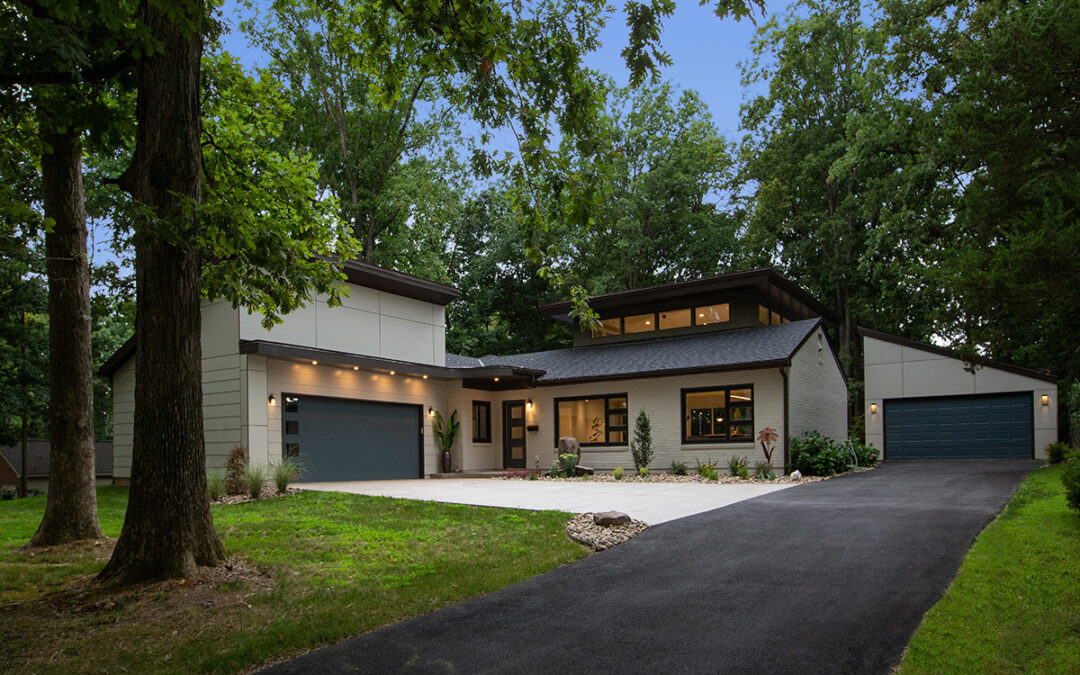
Garage additions have evolved far beyond a simple place to park the car. Today’s homeowners are looking for space that works harder, and are often using their garage for storage, hobbies, fitness, work-from-home needs and even future living areas. Therefore, one of the most common questions we hear as remodelers is, “Which option delivers stronger long-term garage addition value: attached or detached?” The answer depends—on layout, lot constraints, use and how seamlessly the new space integrates with your home. In this post, let’s explore this question.
What Counts as an Attached vs. Detached Garage Addition?
An attached garage addition is physically connected to the main house, typically sharing at least one wall and sometimes a roofline. A detached garage, by contrast, is a freestanding structure located elsewhere on the property, separated by open space or a breezeway.
The structural differences affect far more than just appearance. Attached garages often tie directly into the home’s foundation system, framing and roof structure. Detached garages require independent structural systems, which can allow for more flexibility in size and placement, but may introduce additional site work considerations.
Zoning and setback requirements also play a role. Attached garages are usually regulated as part of the primary dwelling, while detached garages are often classified as accessory structures. That distinction can influence allowable height, square footage and lot coverage calculations.
Utility tie-ins differ as well. Attached garages typically make it easier—and less expensive—to connect electrical systems, plumbing and HVAC. Detached structures may require trenching for utilities and additional permitting steps.
From a garage design-build perspective, both options demand early feasibility analysis.
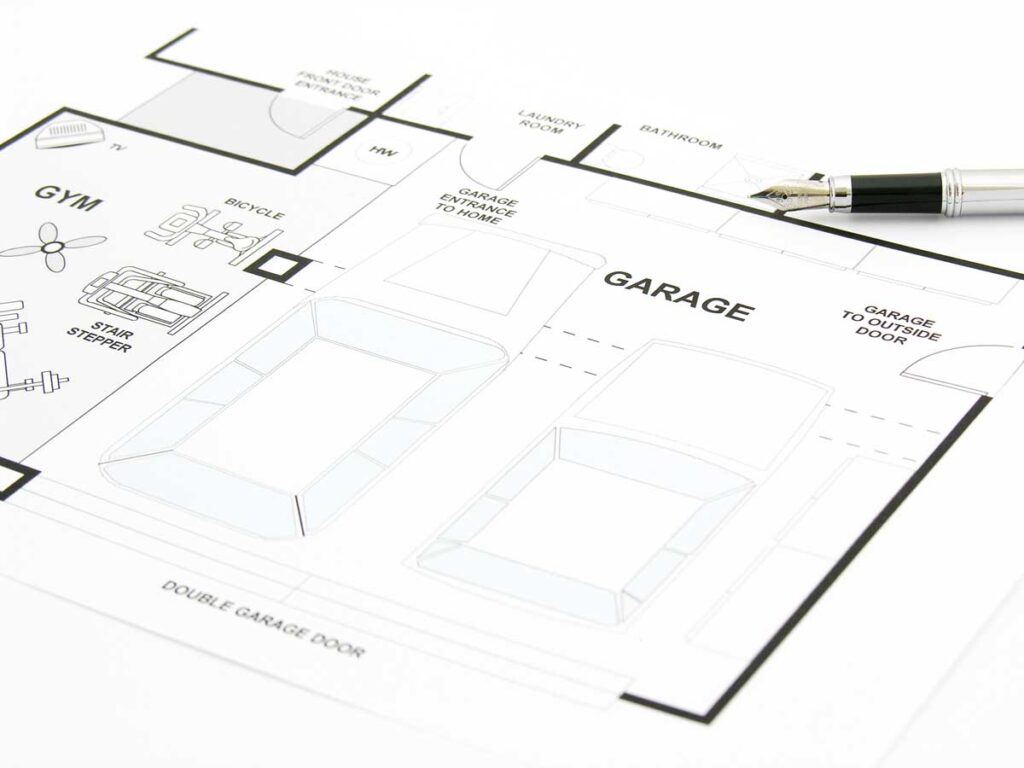
“When we evaluable a garage addition, the first thing we look at isn’t just whether it’s attached or detached, it’s how the structure will function with the home and the site. That determines both cost efficiency and long-term value,” explains Andrew Schroeder, Owner and CEO of Schroeder Design Build in Fairfax, VA.
Related: Popular Types of Home Additions in Northern Virginia.
Value Drivers That Matter More Than Attachment Type
When evaluating your garage addition’s impact on your home value, attachment type is only one piece of the puzzle. Buyers and appraisers respond to usability and integration more than this technical classification.
Square footage and functionality are primary drivers. A cramped two-car garage with minimal storage may add less value than a thoughtfully-designed structure with built-ins, overhead storage and workspace zones.
Conditioned versus unconditioned space also matters. Heated garages, insulated workshops or bonus rooms above the garage often carry greater appeal, especially in regions like ours, with its cold winters and humid summers.
Second-story potential can dramatically increase garage addition ROI. A detached garage with a finished office or guest suite above may outperform a basic attached garage in resale scenarios.
Architectural consistency is another critical factor. A garage that looks like an afterthought can detract from value, while one that mirrors rooflines, materials and proportions enhances curb appeal.
Access and safety in all weather conditions also influence perceived value. Covered transitions, secure entry points and a well-lit approach add daily convenience that buyers notice.
“From a design standpoint, buyers respond more to how usable and visually integrated the garage is rather than whether it’s technically attached or detached,” says Nina Carhuaricra, Lead Designer at Schroeder Design Build.
Attached Garage Additions: Value Advantages

Attached garages often win on convenience and day-to-day usability. For families juggling groceries, sports equipment or young children, direct entry into the home is a meaningful lifestyle upgrade.
A well-designed attached garage can also support aging-in-place strategies. Eliminating exposure to rain, snow or icy walkways improves safety and accessibility.
From a cost standpoint, attached garages may offer efficiency advantages. Because they share walls and sometimes structural systems, construction costs per square foot can be lower than a fully independent structure. Utility and HVAC connections are typically simpler and less expensive.
In colder, or wetter climates, attached garages carry strong appeal. Buyers appreciate protected transitions from their vehicles to the interior living space.
In many suburban neighborhoods, appraisals align well with attached garages because they reflect prevailing market expectations. Homes originally built without a garage can see a significant boost in perceived completeness and desirability once a garage is added.
Strategically-designed entry sequences can further enhance value. Connecting the garage to a thoughtfully-planned mudroom creates organization and flow. Kitchen-adjacent garage access also streamlines daily routines, making unloading groceries more efficient.
Security and lighting integration add another layer of benefit. Smart lighting systems, motion sensors and direct access into the home crease both safety and convenience.
“Attached garages win on convenience,” Andrew says. “When we connect the garage to a well-designed mudroom or entry transition, homeowners see immediate lifestyle value.”
Detached Garage Additions: Value Advantages
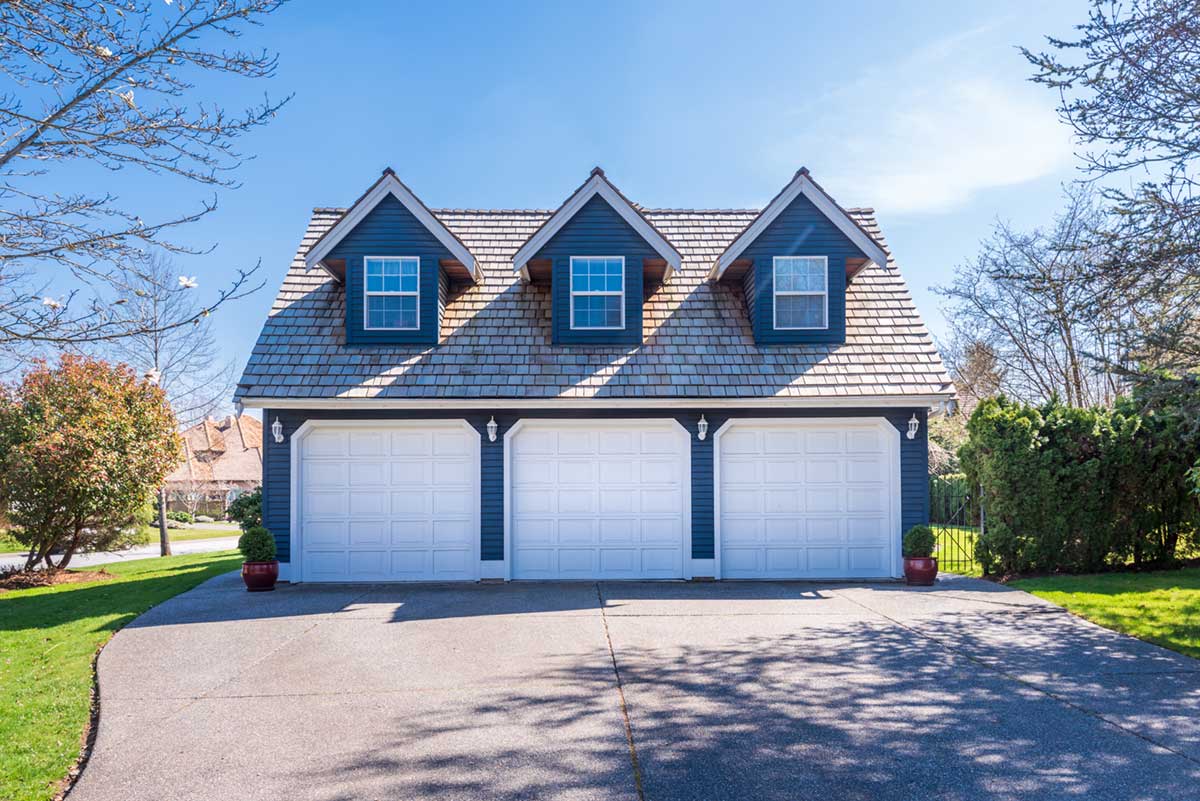
Detached garages offer flexibility that attached structures sometimes cannot. Because they are separate buildings, they can often be positioned to maximize driveway flow, preserve backyard space or improve sightlines from the street.
On corner lots or properties with narrow home footprints, detached garage can solve layout challenges more elegantly than expanding the main structure. They are particularly well-suited for workshops, studios or hobby spaces where noise separation is important. Woodworking, automotive projects, music rehearsals or fitness equipment can operate independently without disturbing the main house.
Detached garages frequently outperform attached options when paired with second-story bonus rooms. Guest suites, home offices or creative studios above a detached garage can significantly increase garage addition value—especially when designed for future adaptability.
Privacy and curb appeal are additional benefits. A detached structure can create courtyard-style outdoor living areas or define property edges more attractively.
Future conversion opportunities are also compelling. Depending on zoning, detached garages may be eligible for accessory dwelling unit (ADU) conversions down the road, creating rental income potential or multigenerational living options.
“Detached garages often create design opportunities that attached structures can’t—especially when we add a studio or guest suite above. That’s where we see value jump significantly,” Nina says.
ROI Comparison: Attached vs. Detached Garages
When homeowners ask about garage addition return on investment (ROI), cost and market context must be considered together.
Attached garages typically have lower cost-per-spare-foot figures because of shared structural components and simpler utility integration. Detached garages often cost more per square foot due to standalone foundations, framing, roofing and utility trenching.
However, resale value depends on neighborhood norms. In subdivisions where most homes have attached garages, adding one may align more predictably with appraisal models. In custom home neighborhoods or on larger lots, a detached garage with finished space above may outperform attached options due to added functionality.
In general:
- Attached garages often appraise strongly when replacing no garage at all.
- Detached garages can outperform when they add usable living space, workshop functionality or ADU potential.
- ROI improves when the addition corrects an existing deficiency in the home’s layout or storage capacity.
Key takeaway: A higher garage addition value comes from solving a problem or expanding an opportunity, not simply from the method of attachment.
Zoning, Lot Constraints and Setback Rules
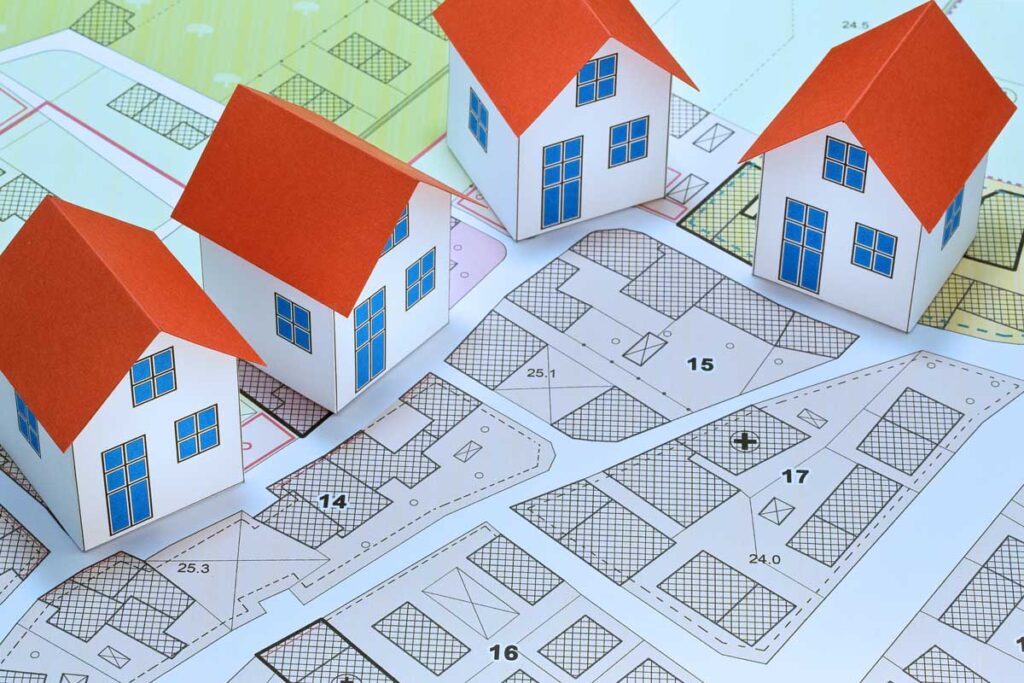
Zoning regulations frequently determine which option is feasible and how much value can ultimately be created.
Lot coverage limits restrict how much of the property can be occupied by structures. In some cases, adding a garage may push the home over allowable coverage ratios, while a detached structure placed strategically could remain compliant.
Height restrictions may limit second-story potential, particularly for accessory structures. Detached garages often have specific height caps that differ from primary dwellings.
Accessory structure rules can also affect allowable square footage. Historic districts may impose design guidelines governing materials, roof pitch and façade treatments.
Early feasibility analysis is critical to avoid costly redesigns. A professional evaluation can clarify what is permissible and where opportunity exists.
“We’ve seen projects where a detached garage added more value simply because zoning allows us to build larger than an attached option would have,” Andrew says.
Design Strategies That Increase Garage Addition Value
Regardless of the attachment type, thoughtful design is what drives home value garage addition success.
- Matching exterior materials and rooflines helps your garage feel like a seamless extension of the main house, creating architectural harmony rather than a structure that feels like an afterthought.
- Built-in storage systems, overhead racks, and custom cabinetry can elevate everyday function, making the space more organized, efficient, and valuable for modern living.
- EV charging readiness is quickly becoming an important feature in both attached and detached garage design. Planning for this during construction helps future-proof your home and strengthens long-term value.
- Smart garage technology, including app-controlled doors, integrated lighting, and security features, adds both convenience and peace of mind.
- Future-proofing may be one of the smartest investments you can make in a garage project. Designing ceiling heights, stair placement, and structural support with flexibility in mind creates opportunities for future additions, such as an apartment, expanded storage, or additional living space.

“The garages that add the most value are the ones designed with flexibility in mind—storage today, living space tomorrow,” Nina says.
There is no universal winner in the attached vs. detached garage debate. The stronger garage addition ROI depends on property conditions, neighborhood context, lifestyle priorities and long-term goals. The best projects begin with strategic design-build planning.
See more on Creative Home Additions.
Attached vs. Detached Garage Additions: Which One Adds More Value?
In 2026, Schroeder Design Build is celebrating its 40th anniversary—four decades of helping Northern Virginia homeowners make informed, high-value decisions about how their homes evolve and how they can live comfortably in them.
With deep expertise in feasibility analysis, zoning research and integrated architectural design, our team will evaluate your property individually to determine where the real value lies in your home addition. Our collaborative design-build process ensures that structural engineering, aesthetics, cost modeling and future adaptability are all considered together, not in isolation.
So, whether you’re comparing an attached vs. detached garage, or exploring broader expansion options like a room addition, contact us to schedule a design consultation with our team and let’s explore the options for your home.
Get more remodeling tips and inspiration. Sign up for our newsletter.