
Fairfax Homeowner’s Guide to Planning an Owner’s Suite Remodel
You deserve the comfort of everyday living. From the moment you wake up to the time you turn in, your primary suite should make your daily activities easy and convenient. That’s where remodeling or adding a new master suite comes in.
Together with its ensuite bathroom, the primary suite remodel must meet a homeowner’s long-term needs, especially if they’re planning to retire or age in place. Here are the general steps of the Fairfax homeowner’s guide to planning an owner’s suite remodel.


Step 1: Determine Your Budget for an Owner’s Suite Remodeling Project
When you’re budgeting for a primary suite remodel in Fairfax, it’s helpful to know what can influence the overall cost. Prices can vary widely based on your choices, the condition of your home, and the complexity of the work. Nationally, an upscale primary suite addition can exceed $351,613, depending on the size, features, and level of customization you want.
Some of the biggest cost drivers include:
- Building permits and Fairfax County requirements
- Plumbing, electrical, or HVAC upgrades
- Structural changes like bump-outs or adding a second story
- Custom features such as luxury bathrooms, walk-in closets, high-end finishes, or smart-home technology
You may also encounter soft costs or surprises along the way—especially in older homes. Engineering reports, outdated wiring, or hidden water damage can affect both your budget and your timeline.
That’s where working with an experienced design-build team can make all the difference. At Schroeder Design Build, we help you set realistic expectations from the start and keep you informed about labor, materials, and scheduling. We even handle the paperwork for you, including permits and county regulations, so your remodeling experience feels as seamless and stress-free as possible.
Step 2: Choose the Location of Your Owner’s Suite Remodel or Addition in Fairfax
Another important part of planning your primary suite addition is deciding where it should go. The right location depends on what matters most to you—accessibility, privacy, multigenerational living needs, and even future resale value. For example, a first-floor suite can be perfect if you’re planning to age in place, while a second-floor suite may be more appealing if your home has beautiful views you want to take advantage of.
If you live in Fairfax, zoning regulations and building codes may also influence where your new suite can be placed. As your local design-build team, Schroeder Design Build helps you understand what’s allowed on your lot and guides you toward the best options for your home, lifestyle, and long-term plans.

First Floor Master Suite Addition for Accessibility and Comfort
A first-floor primary suite can be a great choice if you:
- Want to age in place comfortably
- Prefer a layout that supports limited mobility or long-term guest stays
- Are caring for an aging parent or family member
- Want to increase your home’s resale value with main-level living
If your property has enough room to build outward, a ground-level addition is often less disruptive than reworking your existing interior. Just keep in mind that expanding on the first floor usually means extending the foundation and updating plumbing and mechanical systems. In Fairfax County, you’ll also need to consider lot coverage limits and permitting rules before construction begins.
That’s exactly where our team steps in. We guide you through these requirements and handle the assessments for you—so you know what’s possible long before the build gets underway.
While a first-floor primary suite can cost more than converting an existing space, it often delivers far greater value in comfort, functionality, and long-term resale appeal—especially as demand for main-level living continues to rise.
Upper Floor Master Suite Addition for Privacy and Space
If you want to keep your outdoor space usable, a second-story primary suite can be a great solution. It gives you the extra interior room you’re looking for without expanding your home’s footprint—perfect for smaller lots or if your backyard is especially important to you.
An upper-floor suite also offers a greater sense of privacy and, in many Fairfax neighborhoods, even better views of the surrounding trees and landscape. With your bedroom separate from the main living areas, it’s easier to create a quiet retreat that supports real rest and relaxation.
From a cost perspective, a second-story addition doesn’t usually require foundation work, excavation, or major site prep. However, it does involve roof modifications, a new or updated staircase, and structural assessments to ensure your home can safely support the added weight.
Adding a Master Suite Over the Garage for Efficient Expansion
If you like the idea of adding more living space without disrupting your main floor, an above-garage primary suite can be a smart option. It gives you the privacy of an upper-floor retreat while staying connected to the rest of the home—and because the garage already has a foundation, this type of addition is often more efficient and budget-friendly.
Even though it may look straightforward, building above a garage requires thoughtful design and expert planning to ensure comfort, safety, and longevity. For example:
- Your garage’s load-bearing capacity needs to be evaluated and reinforced if required.
- You’ll need a convenient—and code-compliant—way to access the new suite, whether from an existing hallway or a newly created entry.
- Insulation, soundproofing, and HVAC adjustments are essential to create a comfortable, quiet space that meets modern standards.
Many homeowners also take this opportunity to add a mudroom at the garage entry. It’s a practical way to keep the new suite clean and organized, giving you a dedicated spot for shoes, coats, bags, and pet gear before heading upstairs.

Step 3: Plan Your Suite Design for You
Before you start choosing layouts and features, there’s one important thing to keep in mind: your primary suite should feel like you. Trends can be fun and inspiring, but designing with your long-term comfort and style in mind is what makes the space feel satisfying for years to come.
When homeowners ask how to create a suite that never feels dated, here’s the guidance we share:
Choose a timeless design, like neutral colors, natural materials, and clean lines, and then add one or two standout features that make the space uniquely yours.
A statement light fixture, a beautiful tile pattern, or a bold accent can bring personality to the room without overwhelming it or locking you into a look you might outgrow later.
Step 4: Determine the Ideal Layout for Your Owner’s Suite Remodel
The layout of your primary suite has a big impact on how comfortable and functional it feels every day. How you position the bedroom, bathroom, closet, and any bonus spaces (like a sitting area or home office) should make your daily routines easier and more enjoyable.
Classic Primary Suite Layout for Space Efficiency
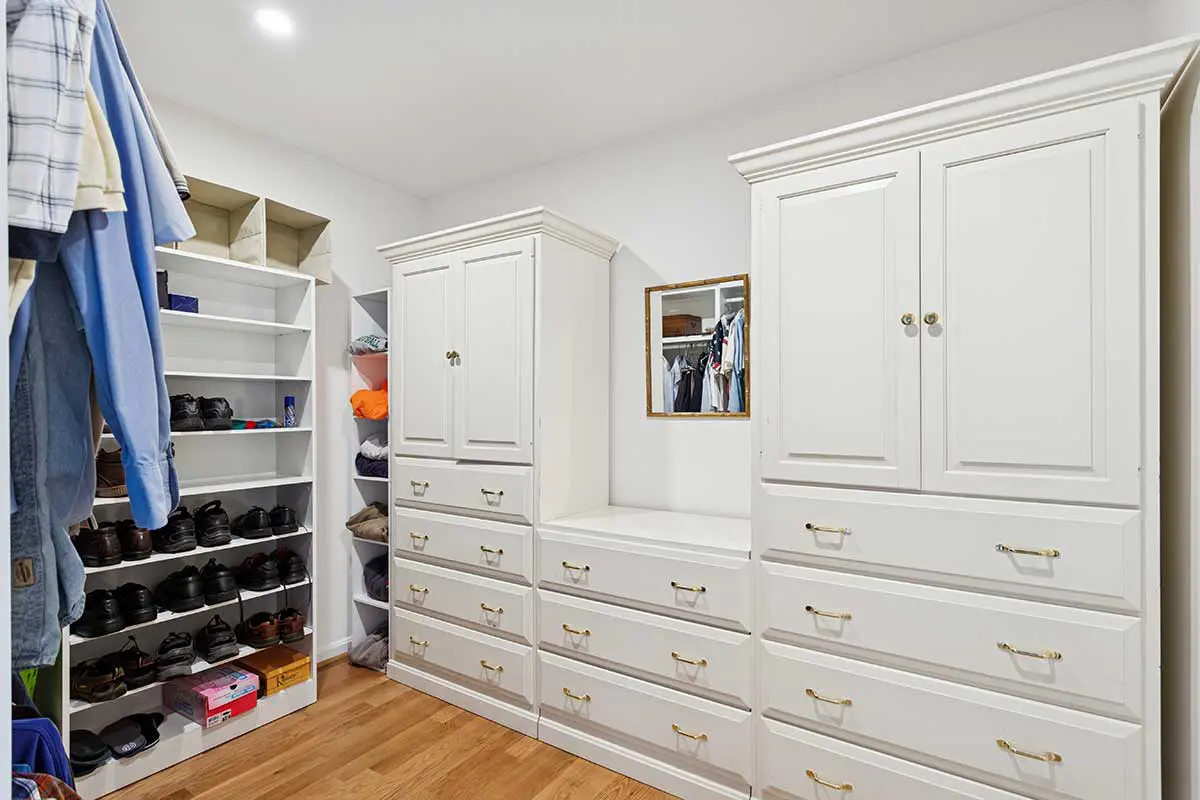
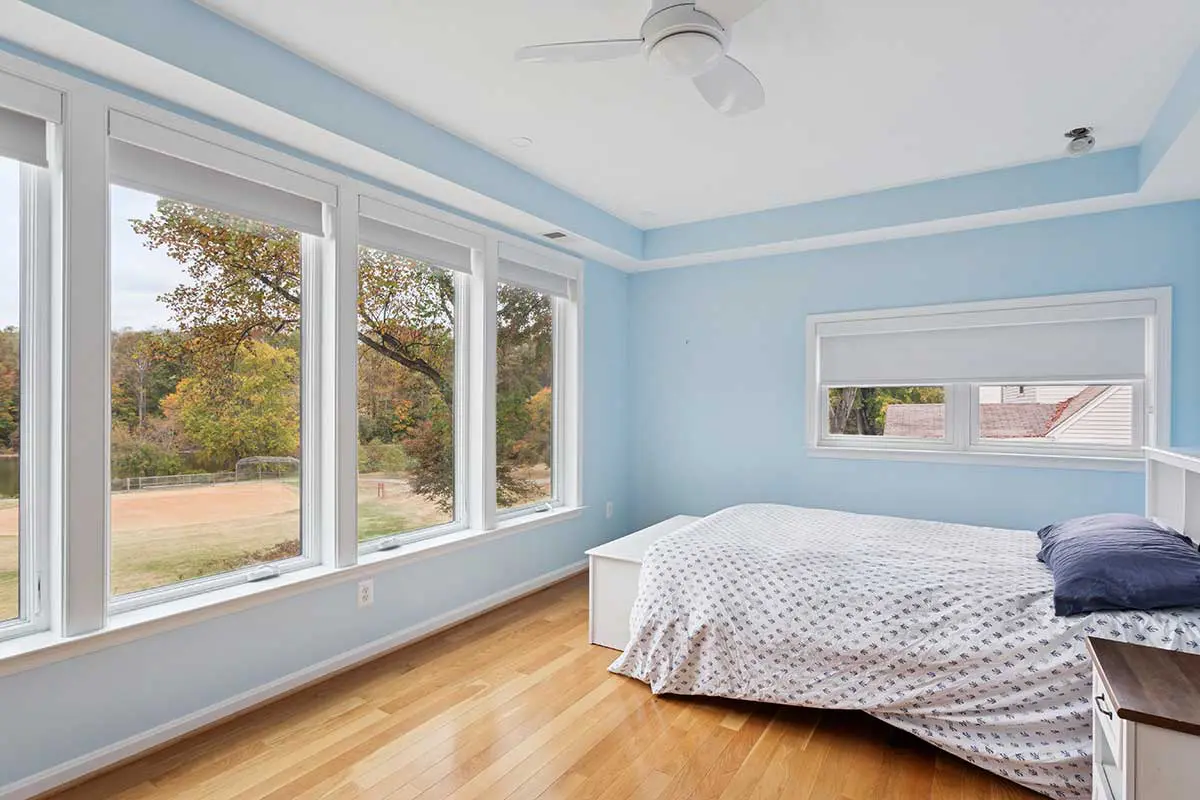
A classic primary suite usually includes a comfortable bedroom, a private ensuite bathroom, and a walk-in or reach-in closet. This layout works well when you want privacy but don’t have a lot of extra space to work with. Even if it requires a few interior changes, it gives you clearly defined areas that feel simple, functional, and easy to live in.
Open-Concept Master Suite for First Floor Projects
An open-concept primary suite creates a sense of flow by using partial walls, pocket doors, or sliding barn doors to keep the space open while still functional. In this layout, the bedroom, bathroom, and closet all connect visually or physically, giving you an easy, seamless way to move through the space.
This style can be especially helpful if you’re planning to age in place or need better accessibility. The wider walkways, step-free transitions, and open access to key areas make daily routines much simpler. Open-concept suites are often designed as part of first-floor additions, where you have the freedom to shape the layout from the ground up.
Step 5: Identify the Needs You Want Your Owner’s Suite Remodel to Fulfill
Before you dive into designing your new primary suite, it helps to take an honest look at what your current bedroom is missing. Does it feel cramped? Is storage an issue? Do you wish you had more privacy or a space that simply feels more relaxing? It’s fun to dream big, but prioritizing what you truly need will help guide smart design decisions. For example, a small home office nook might serve you better than an extra closet.
This is your chance to create a suite that supports your daily life now and well into the future. At Schroeder Design Build, we help you understand what’s possible within your home, whether it’s related to code requirements, plumbing, or layout constraints, while staying true to your vision and personal style.

Luxury Ensuite Bathroom for Comfort and Convenience
Your ensuite bathroom should not only look beautiful but also be functional. That means thoughtful plumbing layout, sufficient lighting, quiet ventilation, and easy-to-clean surfaces.
When upgrading the ensuite bathroom, consider the following popular spa-inspired upgrades to elevate your daily bathroom experience:
- Custom walk-in closets connected to the bath area, often with built-in seating
- Dual vanities and large-format mirrors for everyday ease
- Heated bathroom floors for warmth and comfort
- Integrated lighting and sound systems for ambiance
- Walk-in showers with rainfall heads or multiple body jets
Maximize Storage for Renovations
Knowing your storage goals upfront allows your design-build team to align layout, electrical planning, and material selections accordingly. For example, decide whether you prefer a single walk-in closet or his-and-hers closets. This will impact not only the square footage needs, but also mechanical routing, wall placement, and trafficking flow.
Design With Privacy in Mind
Homeowners and buyers often value privacy in a master suite, especially if the room is on the first floor or near common areas. If your home is in a dense neighborhood or near a busy street, privacy will affect the placement of windows, doors, and skylights in your primary suite. Consider design elements like frosted glass, privacy walls, or window orientations to maintain natural light while keeping your retreat private.
Noise Issues – Don’t Overlook Acoustics in Your Suite Remodel
Evaluate your suite layout and determine where the noise could be coming from. If you live near a main street with traffic or in a city with city noise, consider soundproof windows or insulated walls.
If you’re building near shared walls or family spaces, sound mitigation is crucial. For example, a second-floor suite addition with hardwood flooring can transfer sound to lower levels. Putting carpeting and acoustic underlayments can resolve this issue.
Universal Design for Accessibility and Aging in Place
If you’re planning to stay in your home for many years, adding universal design features to your primary suite remodel is a smart way to prepare for the future. Universal design simply means creating a space that’s accessible and comfortable for people of all ages and abilities. These features might include:
- Zero-threshold showers for easy, trip-free access
- Wider doorways and hallways for wheelchairs or walkers
- Lever-style handles that are easier to use if grip strength changes
- Non-slip flooring for added safety
- Built-in benches for showering or dressing
- Better lighting to improve visibility and reduce fall risks
Even if retirement or mobility concerns feel far away, incorporating these elements now can save you from needing another renovation later. They also increase your home’s appeal to buyers who value accessibility—especially in Fairfax County and throughout Northern Virginia.
And universal design never means sacrificing style. At Schroeder Design Build, we seamlessly blend accessibility with clean, modern aesthetics and thoughtful spatial planning, so your suite looks beautiful and functions beautifully for years to come.
Smart Technology for Comfort, Convenience, and Efficiency
The right smart home upgrades aren’t just trendy, they’re transformative. When planning an owner’s suite remodel, integrating smart technology can enhance comfort, daily convenience, and long-term energy efficiency.
At Schroeder Design Build, we often recommend incorporating intuitive smart features into suite remodels and additions to enhance how you go about your day. Some of the smart technology features to consider are:
- Automated Window Treatments: Use automated blinds or shades to optimize natural light, privacy, and energy savings—especially useful in upper-floor or above-garage additions.
- Heated Towel Racks: Add a luxury hotel feel to your master bath with heated towel racks on programmable timers for energy efficiency and comfort.
- Motion-Activated Lighting: Strategically placed night lights provide safe, subtle illumination without waking others—ideal for spa-like en-suites or closets.
- Smart Thermostats: Create zone-specific climate control for your suite, ensuring it’s always the perfect temperature without affecting the rest of the house.
- Voice-Controlled Systems: Manage lighting, music, or even window treatments with a simple voice command, adding convenience for busy mornings or winding down at night.
Whether you’re creating a first-floor master suite addition, expanding above the garage, or reworking an upper-floor primary suite, these features can make a noticeable difference in how your new space feels and functions.
Step 6: Ensure the New Suite Addition Blends with Your Existing Home Design
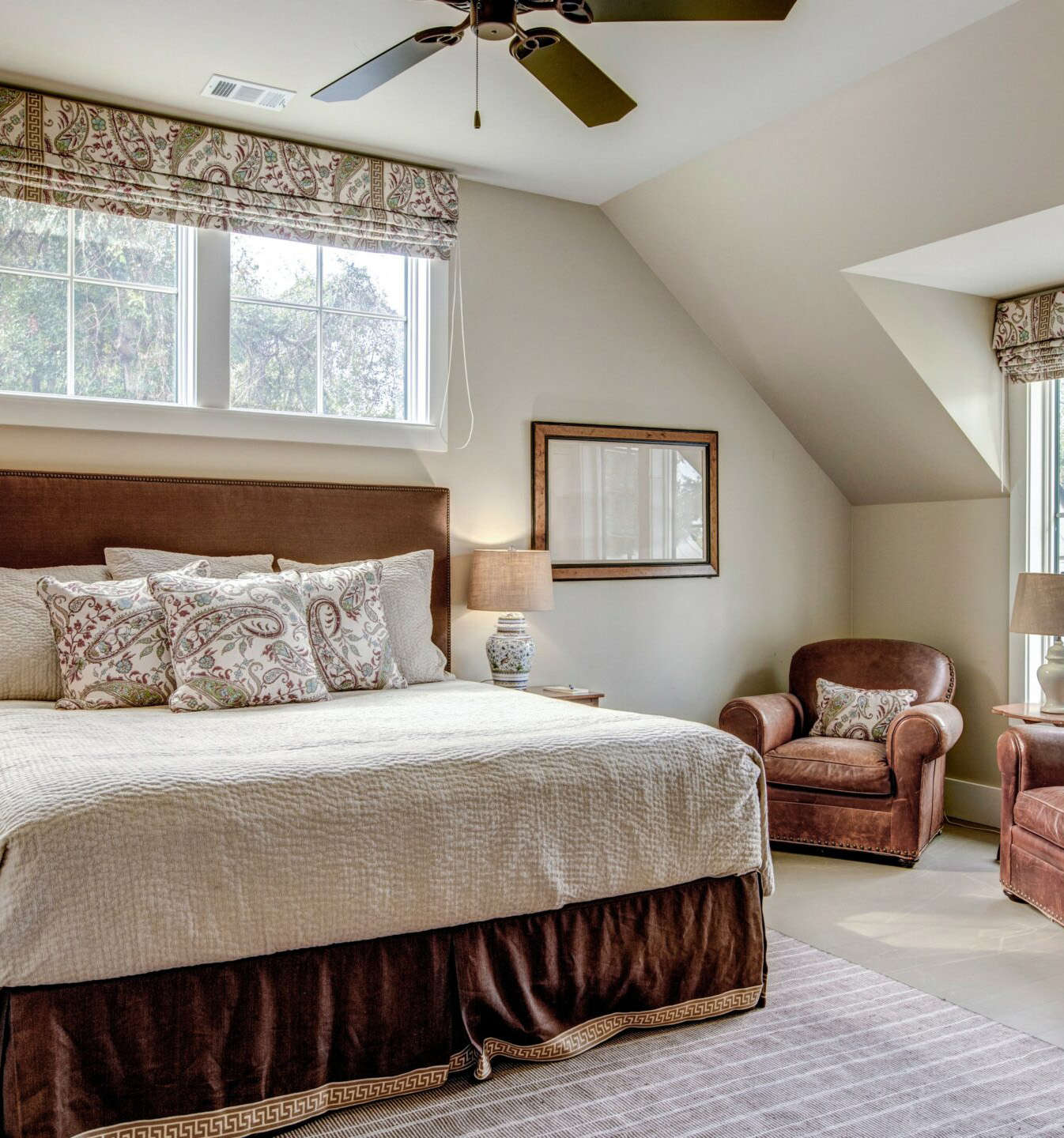
A well-designed primary suite addition should feel like it naturally belongs to your home—not like something that was tacked on later. Whether you’re adding a first-floor owner’s suite or building above the garage, seamless integration is essential for both curb appeal and long-term resale value.
When your new suite flows with the original structure, it preserves the architecture you love and avoids that patchwork look many additions struggle with. Achieving that harmony takes more than matching paint or shingles. It involves thoughtful coordination of:
- Architectural Details: Trim, eaves, gutters, and other exterior features should echo your home’s existing style so everything feels unified.
- Exterior Materials: Siding, rooflines, windows, and exterior finishes should complement your original construction for a clean, cohesive look.
- Interior Flow: Inside, your new suite should connect smoothly to the rest of your home. Consistent flooring, molding, ceiling heights, and transitions help the space feel like a natural extension of your layout.
Taking the time to plan these details upfront helps ensure your primary suite addition feels intentional and integrated. The more seamlessly the new space blends with your existing home, the more comfortable and functional it will be, today and well into the future.
Step 7: Partner with a Local Design-Build Firm for Your Northern Virginia Home
When planning a primary suite remodel or addition, having a team that understands Fairfax County and the greater Northern Virginia region is essential. Local expertise means knowing the intricacies of building codes, zoning regulations, and permitting requirements that directly affect what’s possible for your home.
At Schroeder Design Build, we bring decades of experience navigating these complexities while creating owner’s suites that blend seamlessly with your existing home. Our award-winning design-build process is centered on comfort, functionality, and long-term value. Since 1986, more than 1,000 Northern Virginia homeowners have trusted our in-house designers, skilled craftspeople, and reliable trade partners to deliver beautiful, safe, and thoughtfully planned renovations.
Let us help you design a primary suite that blends seamlessly with your home and supports your lifestyle now and in the future. Schedule a consultation with us today.