
2nd Story Additions Designed for the Way You Live
If your home is starting to feel too small, moving isn’t always the best solution. In Northern Virginia, limited lot sizes make expanding outward difficult, and rising home prices make relocating less appealing. At the same time, many families want to stay in the neighborhoods and school districts they love.
A second-story addition offers another path. By building up instead of out, you can gain the space you need without sacrificing your yard or your location, creating a home that better supports how you live today and plan for tomorrow.
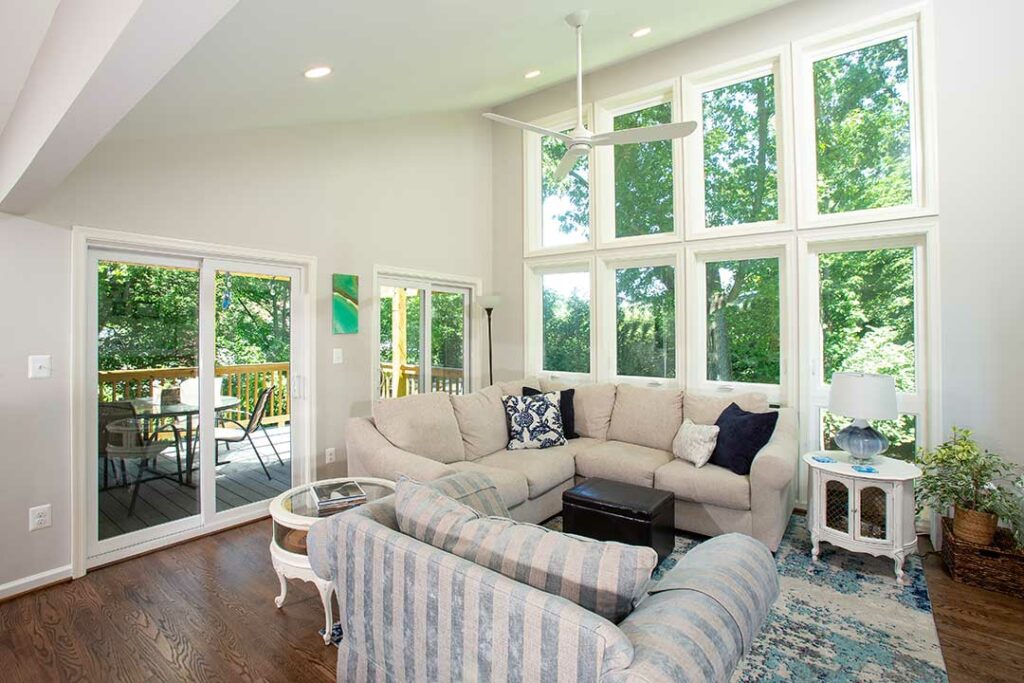

Benefits of a Second Story Addition
A thoughtfully planned second-story addition can transform how your home functions, without requiring you to leave the neighborhood you love. When designed well, building up creates space that feels intentional, balanced, and aligned with your long-term goals.
More Livable Space, Greater Long-Term Value
Expanding upward increases usable square footage and functionality, which can positively influence resale value while improving your everyday experience at home.
A Practical Solution for Local Zoning Limits
In many Northern Virginia communities, lot coverage restrictions make outward expansion difficult. Building up is often the most practical way to gain space without navigating setback challenges.
Brighter Interiors and Expanded Views
A new upper level creates opportunities for larger windows, improved sightlines, and increased natural light, enhancing both comfort and architectural appeal.
Designed Around Your Goals
Unlike modular or pre-planned additions, a custom second story is designed to fit your lifestyle, budget, and long-term plans, not the other way around.
Often More Cost-Effective Than Moving
When you consider agent commissions, closing costs, moving expenses, and higher purchase prices, expanding your current home can be a financially strategic alternative.
Preserve Your Yard and Outdoor Space
By building up instead of out, you maintain your existing footprint and avoid sacrificing valuable yard space.
Stay Rooted in Your Community
Perhaps most importantly, a second-story addition allows you to remain in your neighborhood, school district, and daily routines, while creating a home that better supports the way you live.

Rooms You Can Add with a Second-Story Addition
One of the greatest advantages of building up is the flexibility it provides. Within your existing footprint, a second story can create meaningful new space designed around how you live now, and how your needs may change over time.
Common additions include:
-
- Primary suite retreats with spa-inspired bathrooms and spacious walk-in closets
- Dedicated laundry rooms or organized storage areas for everyday convenience
- Flexible family living spaces that can serve as media rooms, lounges, or quiet retreats
- Home offices, study nooks, or reading lofts designed for focus and productivity
- Children’s bedrooms, playrooms, or nurseries that evolve as your family grows
- Guest suites with private baths to comfortably host friends and extended family
In many projects, homeowners also choose to reconfigure portions of the first floor, adjusting stair placement or improving layout flow, so the new upper level feels seamlessly integrated rather than added on.
Explore Second-Story Additions in Our Portfolio
See how thoughtfully designed second-story additions come to life in real Northern Virginia homes. Browse our home addition portfolio to discover how families have expanded upward to create more space, better flow, and long-term comfort, all while preserving the character of their existing homes.
The Design-Build Process for a Second-Story Addition
Adding a second story is a significant investment that requires careful planning, structural evaluation, and coordinated execution. Because the work affects both the exterior architecture and the interior flow of your home, a clear and organized process is essential.
A design-build approach streamlines architectural design, engineering, permitting, material selection, and construction under one coordinated team, reducing complexity and improving communication from start to finish.

Step 1: Discovery & Home Evaluation
The process begins with a conversation about your goals, concerns, and vision for your home. A detailed on-site assessment follows, evaluating foundation capacity, framing structure, zoning requirements, and overall feasibility.
This early planning phase identifies potential challenges and opportunities before design work begins, creating clarity and realistic expectations.

Step 2: Design Development & Planning of a Second Story Addition
With feasibility confirmed, tailored design options are developed to align with how you want to live in your home. Plans typically include detailed drawings, structural coordination, and clear investment guidance to support informed decisions.
Material selections, from exterior finishes to interior details, are coordinated to ensure the new level feels architecturally integrated rather than added on.
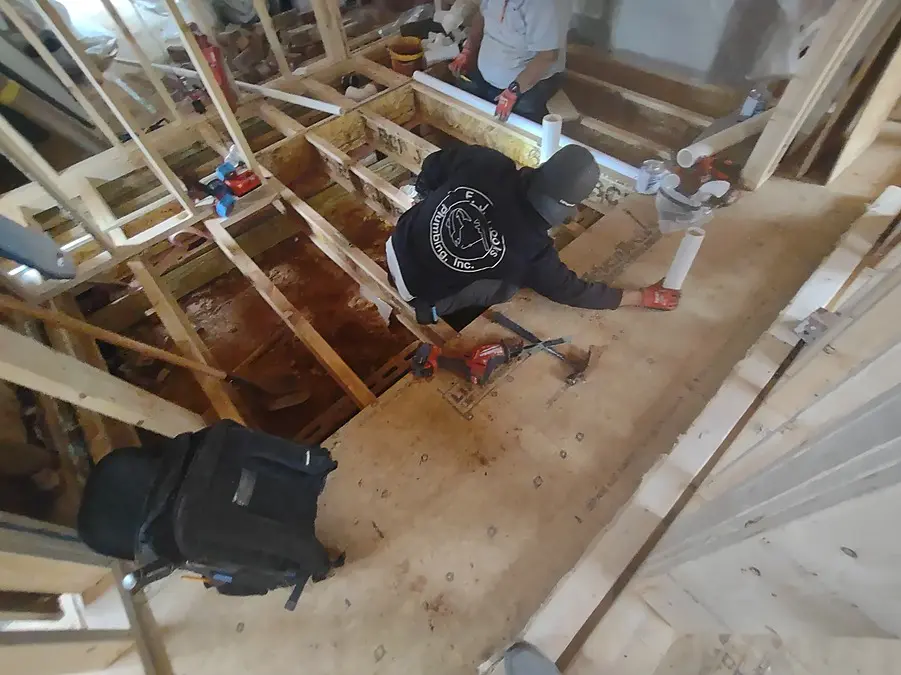
Step 3: Construction & Project Management
Once plans are finalized and permits are secured, construction begins. This phase includes structural reinforcement, framing, roofing, utility installation, and interior build-out.
Dedicated project oversight ensures milestones stay on schedule, quality standards are maintained, and communication remains clear throughout the build.

Step 4: Final Walkthrough & Ongoing Support
When construction is complete on your second story addition, a comprehensive walkthrough confirms that every detail aligns with the approved plans. Post-construction warranty coverage provides added peace of mind, supporting long-term confidence in your investment.
Frequently Asked Questions
Should You Move Out During a Second-Story Addition?
Whether to stay in your home during construction depends on the scope of work and your personal comfort level.
Many homeowners choose to remain at home, understanding there will be periods of noise, dust, and daily jobsite activity, particularly during structural framing and roofing. With proper planning and communication, much of the disruption can be anticipated and managed.
Others prefer temporary housing, especially if they work from home, have young children, or if major structural modifications will temporarily affect utilities or interior spaces.
During the planning phase, you’ll receive a clear understanding of what each stage involves so you can make an informed decision about what feels most comfortable for your household.
How Long Does a Second-Story Addition Take to Complete?
Most second-story additions take approximately 4 to 9 months to complete, though the exact timeline depends on the size of the addition, structural complexity, permitting requirements, inspections, weather conditions, material lead times, and any design adjustments made along the way.
It’s also important to remember that the overall timeline includes both design and construction phases. Structural engineering, architectural planning, and permitting often require several months before framing begins.
A clear project schedule, outlining key milestones from planning through final walkthrough, helps you understand what to expect at each stage, so you can plan confidently for your household and routine.
How Much Does a Second-Story Addition Cost?
The investment for a second-story addition varies significantly because no two homes, or projects, are alike.
According to the JLC Cost vs. Value Report for the Mid-Atlantic region, major home additions represent a substantial investment, with costs influenced by square footage, structural complexity, material selections, and regional building standards. In Northern Virginia, where engineering requirements, energy codes, and permitting standards are rigorous, projects often fall toward the higher end of national ranges.
The overall cost depends on many factors, including:
- The size of the new level
- Structural reinforcement of the existing foundation and framing
- Roof removal and reconstruction
- Mechanical, electrical, and plumbing extensions
- Stair relocation or reconfiguration
- Exterior materials and architectural integration
- Interior finishes and customization level
- Permitting and inspection requirements
Because a second-story addition impacts nearly every system in your home, an accurate estimate requires a detailed evaluation of both your structure and your goals. Thoughtful planning ensures your investment aligns with your lifestyle and long-term value expectations.
How Much Value Does a Second-Story Addition Add to a Home?
A well-designed second-story addition can meaningfully increase both livable space and long-term property value, particularly when it includes highly desirable features such as additional bedrooms, bathrooms, or a primary suite.
According to the JLC Cost vs. Value Report for the Mid-Atlantic region, projects such as primary suite additions and bathroom additions typically recoup a portion of their investment at resale. The exact return varies by scope, finish level, and market conditions, but thoughtfully integrated additions often perform more favorably than projects that feel disconnected from the original architecture.
It’s important to understand that resale value is influenced by several factors, including:
- Overall square footage added
- Quality of construction and materials
- Architectural consistency
- Layout functionality
- Local market demand
While resale percentage is one metric to consider, many homeowners find the greatest value comes from improved daily living, better flow, more privacy, and a home that supports evolving needs.
Prefabricated vs. Custom Second-Story Additions: What’s the Difference?
Prefabricated or modular additions can offer shorter construction timelines and lower upfront costs. Because they are built from standardized plans, they may work well for certain situations.
A custom design-build second-story addition, however, is created specifically for your home. Rooflines, window placement, exterior materials, and interior flow are carefully coordinated so the new level feels architecturally integrated rather than added on.
When a second story is thoughtfully designed and structurally engineered to align with your existing home, the result is greater cohesion, improved performance, and a space that feels intentional from the inside out.
What Northern Virginia Homeowners Say About Us

Plan a Second-Story Addition in Northern Virginia
Expanding upward is a significant investment, one that affects your home’s structure, appearance, and daily function. Careful planning, structural evaluation, and architectural balance are essential to ensure the new level feels seamless and built to last.
With nearly four decades of experience serving Northern Virginia homeowners, Schroeder Design Build approaches second-story additions with a comprehensive design-build process that integrates architectural design, engineering, and construction under one coordinated team. The goal is simple: create an addition that feels original to your home and supports the way you live.
If you’re considering building up instead of moving, a consultation can help you evaluate feasibility, investment range, and long-term value with clarity and confidence.